
Understanding GSM: Why Fabric Weight Decides How a Kit Feels
GSM is the single most misread number on a quote. This is what each weight band actually means on the body.
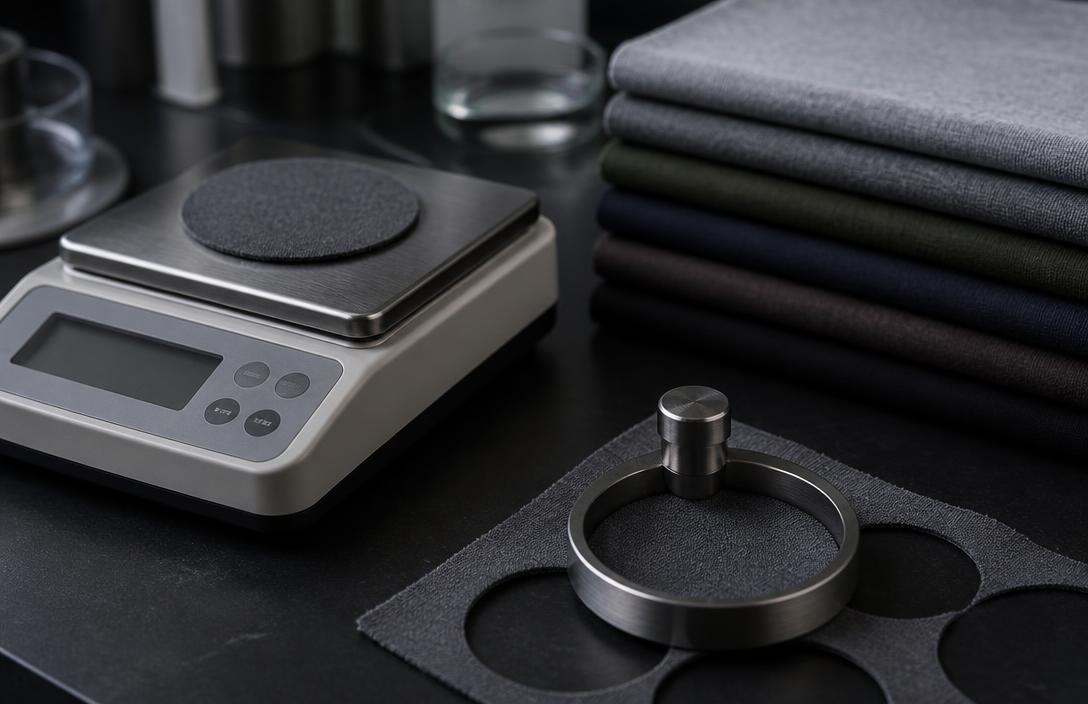
What GSM measures
Grams per square metre — literally the weight of one square metre of the fabric. It is not a quality score. A 150 GSM jersey is not worse than a 300 GSM one; they are built for different jobs.
The bands we work in
110–150 GSM: mesh and lightweight training tops for hot climates. 140–180 GSM: standard sublimated match jerseys. 180–240 GSM: stretch woven shorts and technical outerwear. 280–420 GSM: fleece hoodies, crewnecks and joggers.
Where buyers go wrong
Ordering a 300 GSM football jersey because it feels premium in the hand, then finding players overheat in it. Or ordering a 240 GSM hoodie to save cost and having it feel thin against a competitor's 380 GSM piece. The weight has to match the end use, not the sample-room impression.
How we spec it
We ask where the garment will be worn, in what temperature, and for how long at a time. Then we send two or three swatches in different weights so you can decide with the fabric in your hand rather than from a number on a PDF.
Have a spec you want a second opinion on?
Send the artwork or tech pack — we will tell you what we would change before you commit to bulk.
Ask on WhatsApp