
Seams That Last: Flatlock, Overlock and Where Kits Fail First
Most returns come from three predictable stress points. Construction choices at those points decide the garment's life.
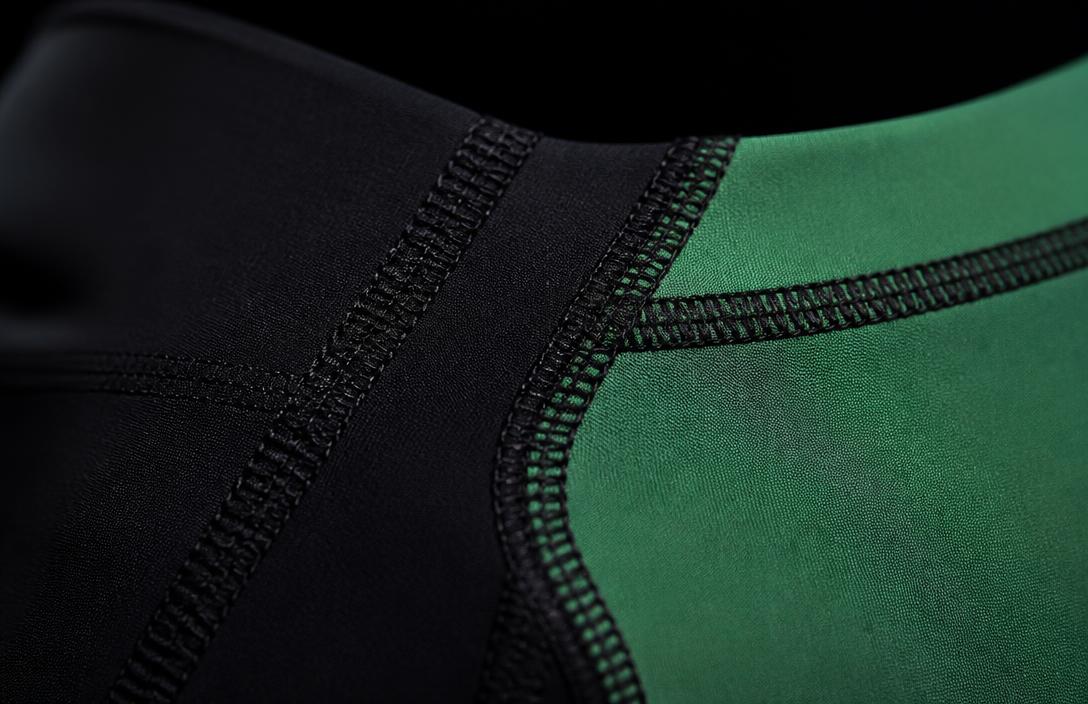
The three failure points
Underarm and side-seam junctions, crotch gussets on shorts and leggings, and the neck rib join. Nearly every garment complaint we have ever handled traces back to one of these.
Flatlock vs overlock
Flatlock butts two fabric edges together and stitches over them, leaving no ridge — essential for compression wear and anything worn against skin under pads. Overlock encloses the edge and is stronger under tension, which is what you want on shorts side seams and heavy fleece.
Stitch density matters more than machine brand
We run 10–12 stitches per inch on stretch seams. Too loose and the seam pops under load; too tight and the thread cuts the fabric when stretched. Bar-tacks go on pocket corners, drawcord exits and gusset points as standard.
What to ask any factory
Ask which seam type they use at the crotch gusset and whether the neck rib is taped. If the answer is vague, the garment will fail there. On our kits the gusset is a diamond panel with flatlock on all four sides, and the neck seam is taped with self-fabric or twill.
Have a spec you want a second opinion on?
Send the artwork or tech pack — we will tell you what we would change before you commit to bulk.
Ask on WhatsApp